
A win for our HR team and for giving people the space to try AI and the judgment to question it.
- AI keeps changing. Being “AI-proof” means being able to change with it.
- HR wrote the playbook, but the habits belong to everyone.
- How a tech company uses AI is part of the trust it builds with customers and partners.
- AI can give us answers. We still have to answer for them.
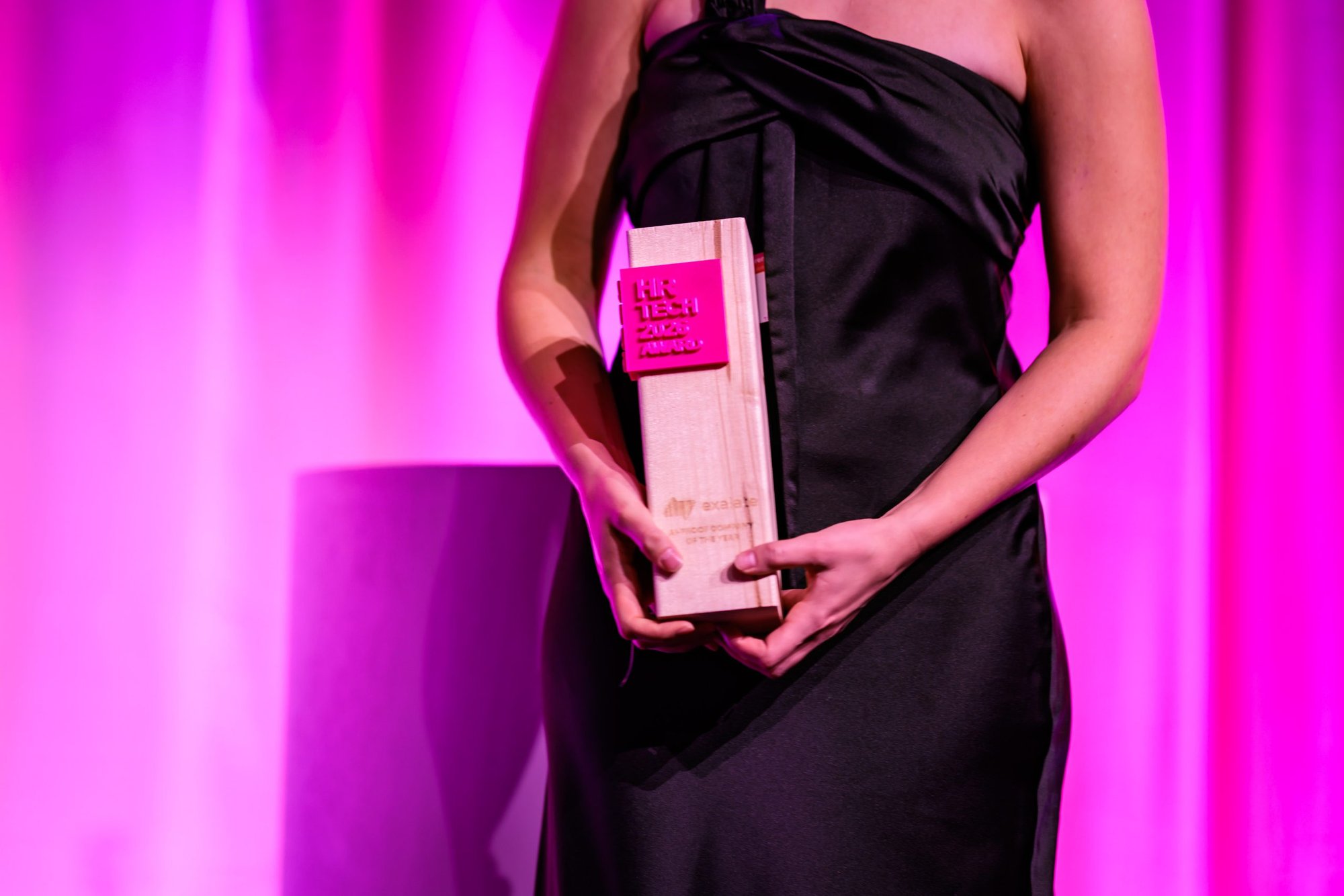
We won! Exalate is AI-Proof Company of the Year 2026 at the HRtech Awards.
The award recognizes a considered, strategic, and people-focused approach to AI in HR, and we won it for how Exalate is learning to work with AI: an approach our HR team designed, tested on its own work first, and is now taking to the rest of the company, one department playbook at a time.
For an international software company, access to new tools comes easily. Agreeing how to use them takes more work. Our award entry focused on that work, with practical guidance and recruitment as an example of where AI assistance meets human judgment.
Getting our own team in sync
Helping teams and companies work together across borders is what we do at Exalate. Our own team spans more than 18 countries, with different perspectives and ways of working. “We Are in Sync” is our team credo: finding common ground so we can work well together across those differences. Using AI asks for the same shared understanding.
Colleagues were already experimenting with AI when the need for a common approach became clear. Each new use raised decisions about the information involved, whether an output could be relied on, and when someone else needed to review the work.
Our HR team set out to answer those questions once, in language anyone could use without reading a legal manual.
The AI Playbook sorts AI uses into three groups. Green means go: routine tasks such as drafting a job description or building training material. Amber means get sign-off first, often because personal data or a decision about someone is involved. Red means not allowed. A five-question checklist helps colleagues assess the information involved, the tool they are using, and what needs checking. The first habit is straightforward: before anything goes into an AI tool, ask what the information is and whether that tool is the right place for it.
Across all three categories, AI-supported decisions affecting people require qualified human review and sign-off. The decision is documented, and the responsibility stays with people.
One rule sits above the rest: use AI to work faster within your own expertise, not to stand in for expertise you do not have. AI can sound confident and still be subtly wrong. If you could not tell whether the output was off, ask someone who could.
The Playbook also makes clear that nobody gets in trouble for reporting an AI problem in good faith. We’d much rather hear about it early than discover it late.
Putting the Playbook into action
Recruitment gave us a concrete way to put the Playbook to work. AI supports research and administration and helps prepare material such as job descriptions and interview questions. HR and hiring managers check whether that material fits the role and helps the conversation.
The hiring decision itself stays with people, which matters to the candidate as much as to us. Preparing material and deciding whom to hire carry very different consequences, and the Playbook treats them differently.
Super bedankt!
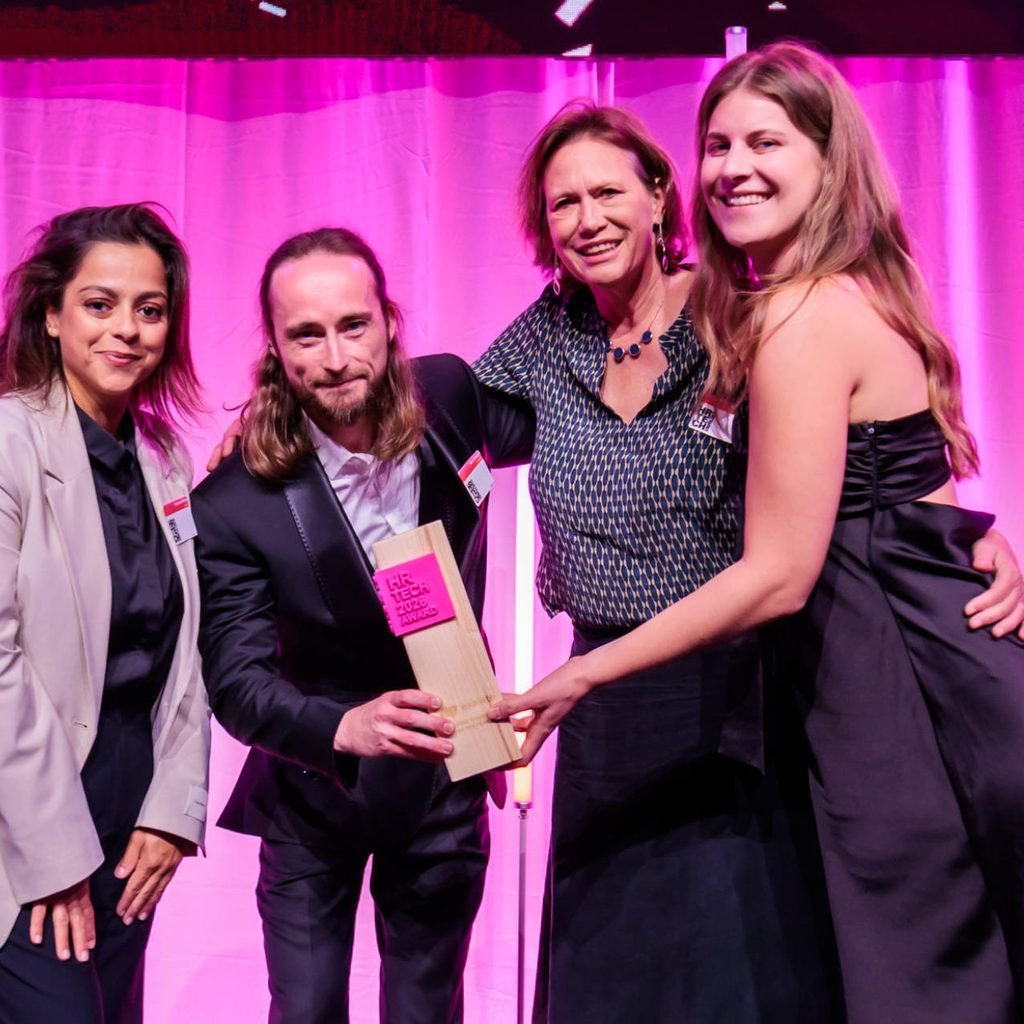
Sherene El-Binni, Peter Verhaert, Hilde Van Brempt, and Anna Dobrenka at the HRtech Awards 2026, Gare Maritime, Brussels, October 7. Photo credit: HRtech Awards.
We thank HRmagazine, the jury, and everyone who voted!
The award puts our HR team’s work in the spotlight and sets an example we want to build on across Exalate. Just as we help customers collaborate while staying in control of their data and processes, we want the same clarity and ownership in how we work.
Plenty still to build on
AI-proof, as we use the term, does not mean finished or immune. We’re developing broader AI literacy and guidance relevant to individual teams and working toward a 90-day review rhythm. We’ll judge progress by whether the work has improved and whether the risks remain under control.
The rule we still like best: use AI to get faster at what you already know, not to fake what you don’t.
See the official HRtech Awards 2026 winners
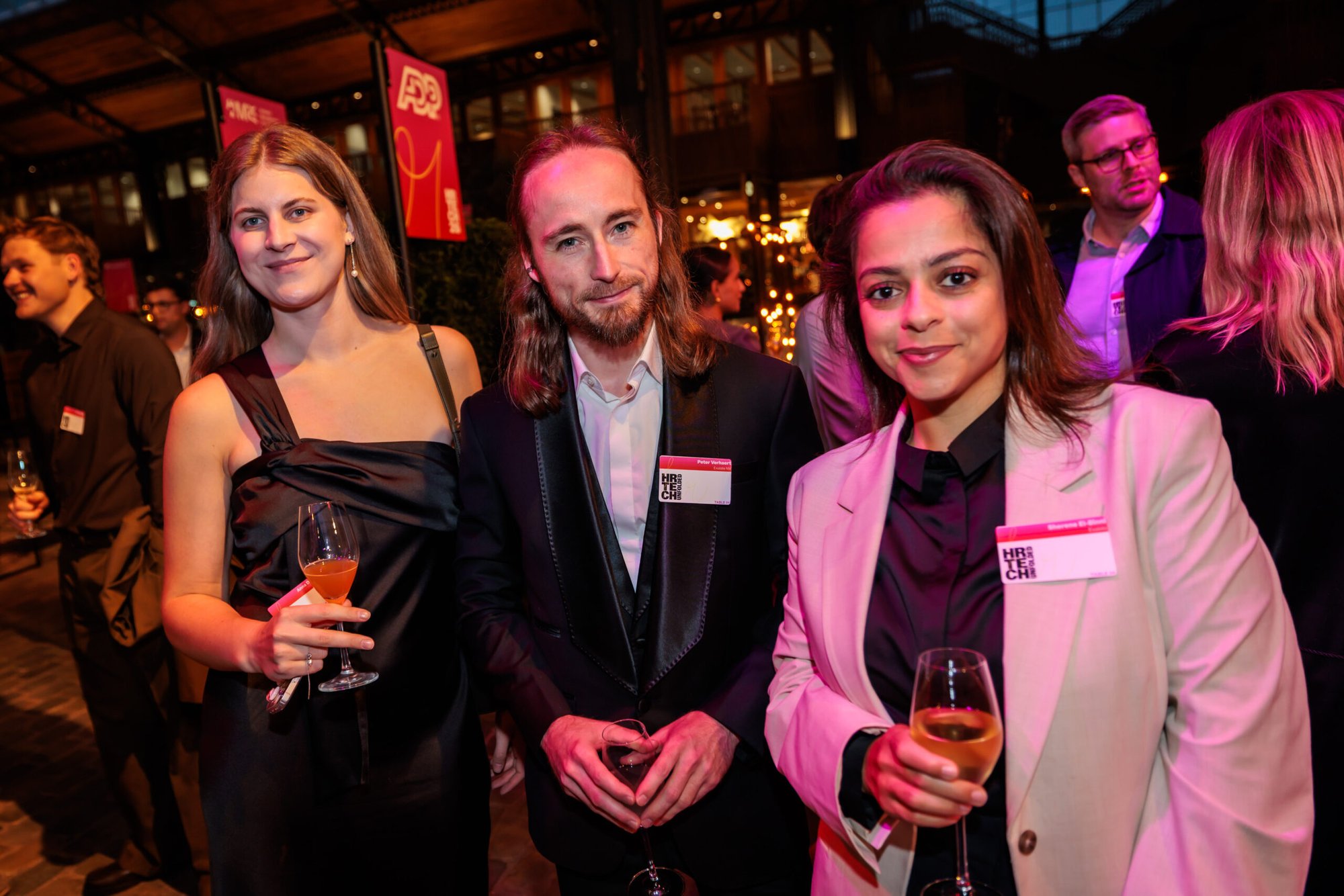
Anna Dobrenka, Peter Verhaert, and Sherene El-Binni at the HRtech Awards 2026, Gare Maritime, Brussels, October 7, 2026. Photo credit: HRtech Awards.
About the HRtech Awards
The HRtech Awards are presented by HRtech Unfolded and HRmagazine, part of Nieuwe Media Groep. They recognize innovative startups, standout HR technology projects, and organizations putting AI into practice with people at the center.