Exalate vs ZigiOps
Which Integration Platform Is Right for Your Team?
We compare bidirectional sync, customization depth, pricing, and setup complexity, and more.
Quick Comparison Table
| Feature | Exalate | ZigiOps |
|---|---|---|
| Primary Purpose | Bidirectional cross-platform, cross-team, and cross-company sync with full scripting control | No-code template-based integration for ITSM and monitoring tools |
| Sync Direction | True bi-directional. Each side controls its own rules independently Core capability | Bi-directional, but centrally managed by a single admin |
| Customization | AI-assisted Groovy scripting. Unlimited logic, any field, any condition | No-code templates only. Limited to pre-built parameter options |
| Pricing Model | Outcome-based. Pay for active items in sync, not transactions Predictable | Billed based on workflows |
| Setup Complexity | No installation required. Register, connect, and configure from a unified console | SaaS option: no installation. Console limited to Chrome and Edge |
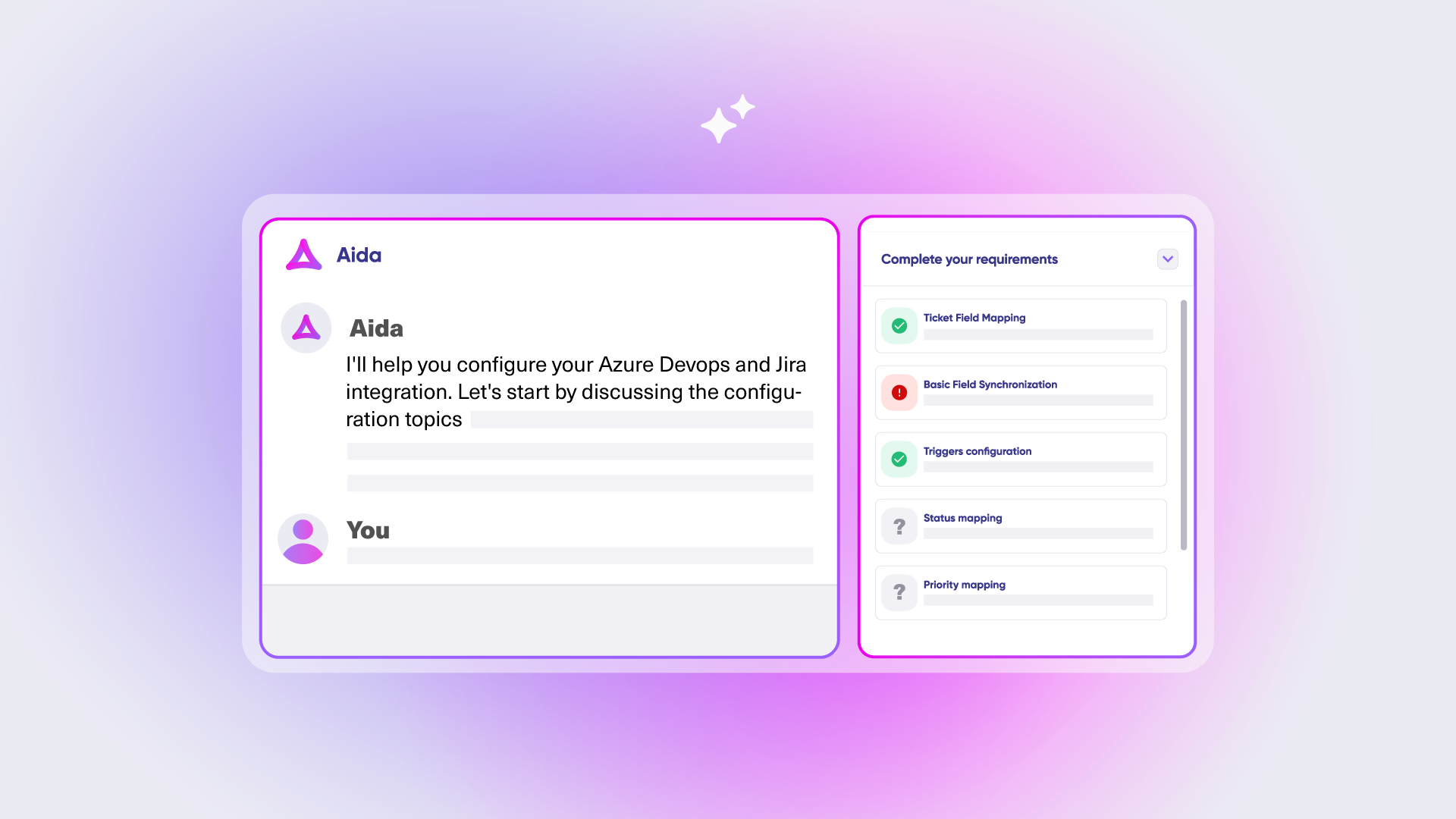
| AI Capabilities | Aida AI for script generation, field mapping, and in-context error diagnosis | AI Chatbot for troubleshooting guidance only |
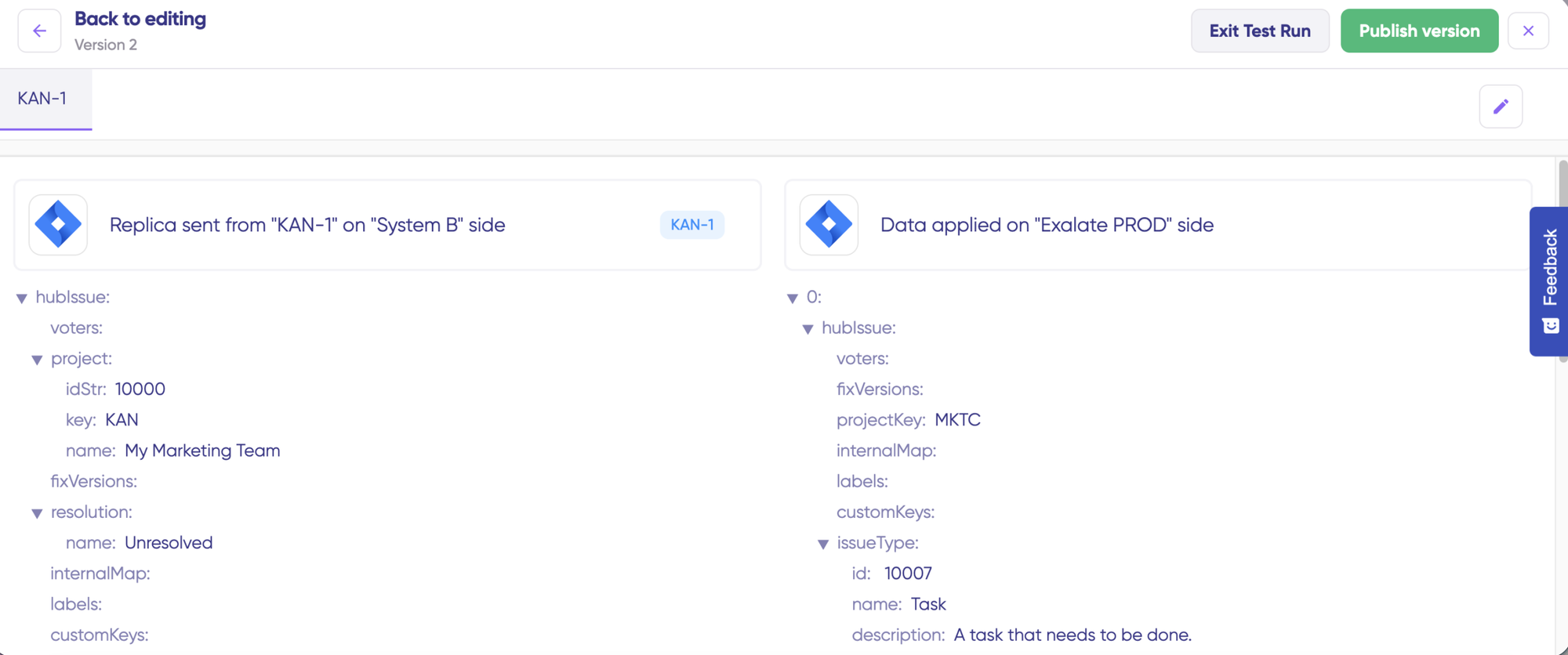
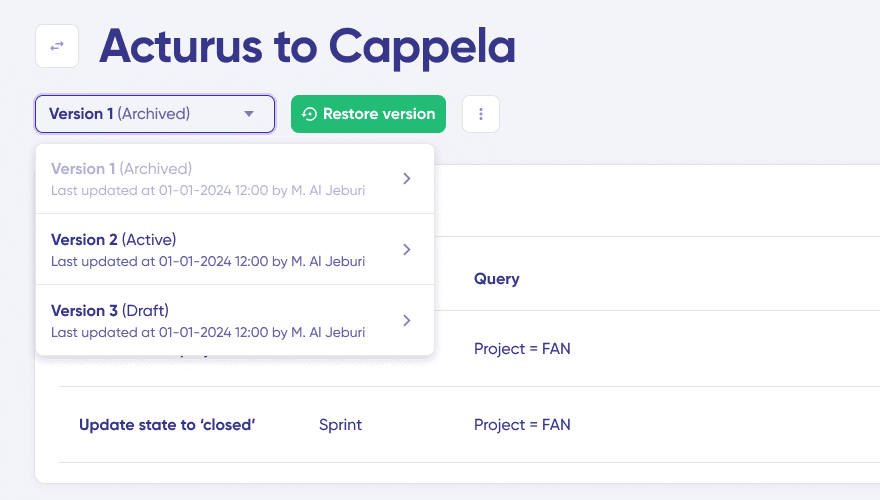
| Maintenance Overhead | Script versioning, rollback, and Test Run built-in | No versioning, no rollback, no test environment before production |
| Test Before Deploy | Yes. Test Run simulates syncs without touching live data Risk-free | Not available Go live blind |
| Cross-Company Sync | Built for vendors, MSPs, and partners. Each side stays in control | Designed for internal use. Not suited to cross-org scenarios |
| Supported Platforms | Jira, ServiceNow, Salesforce, Azure DevOps, Zendesk, GitHub, Freshservice, and more | 30+ platforms. Strong in monitoring tools (Dynatrace, Datadog, Splunk) |
| Best For | Teams needing custom field logic, or complex ITSM and DevOps workflows where each side requires independent control | Teams that need fast setup with pre-built templates, especially for monitoring tool integrations like Datadog, Dynatrace, or Splunk |
The Core Difference: Customization

Exalate: Script-First with AI Assistance
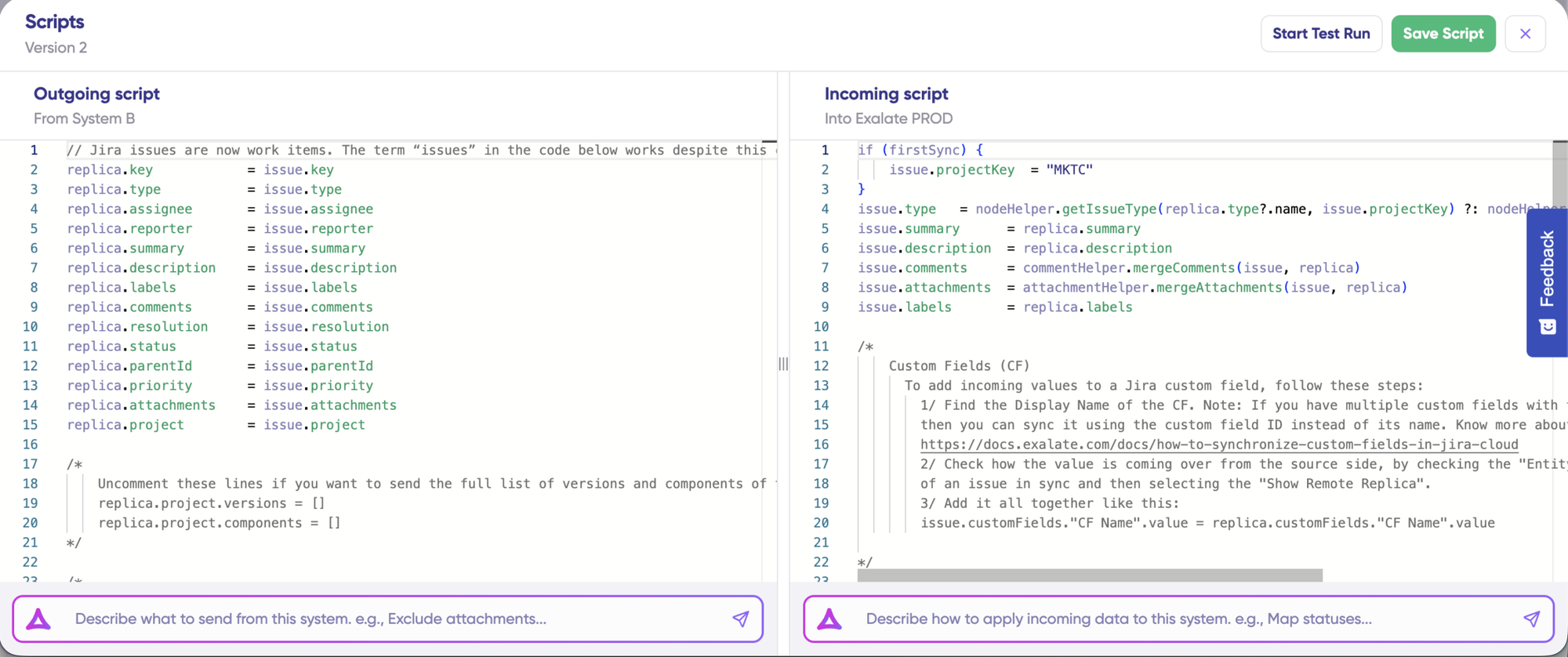
Exalate gives you unlimited customization through Groovy scripting. If you can write it in Groovy, Exalate can sync it.
- Conditional logic ("sync this field only if status = 'In Review'")
- Different transformation rules for each direction
- Advanced field mappings (title -> description + remote item link)
- Custom data transformations with business logic.
- Advanced conditional mapping and validation rules.
- Aida AI generates scripts from plain-language descriptions
- No ServiceNow developer required for most configurations

ZigiOps: No-Code Template Builder
ZigiOps is built on a no-code model. You configure integrations through a web-based console using pre-built templates.
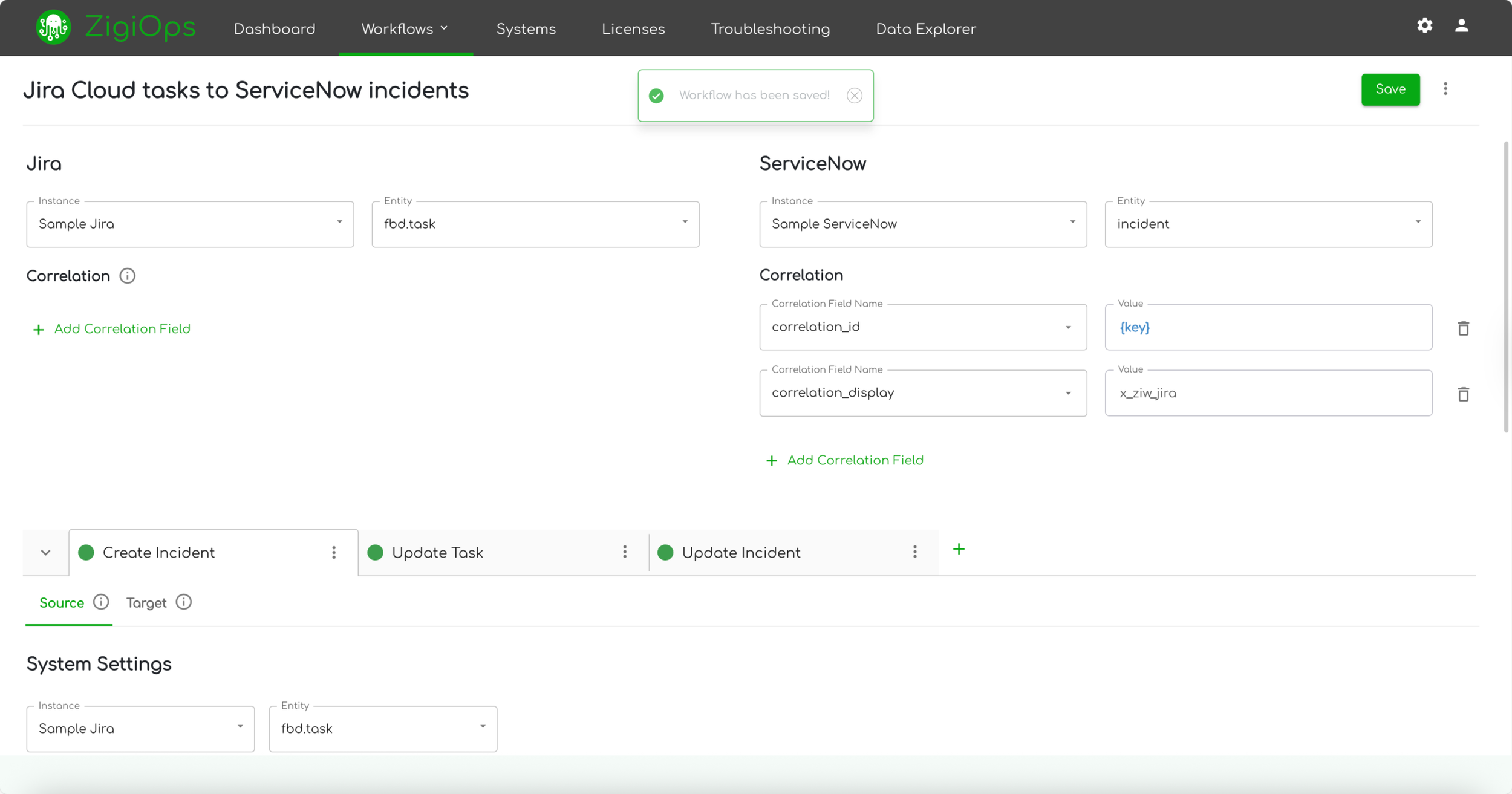
- Connect tools using pre-configured templates
- Monitor integration health through an interactive dashboard
- Deploy without writing code
Important limitation: Templates cover common scenarios only. When your workflow falls outside those parameters — custom field mappings, conditional transformation logic, or cross-company configurations — the no-code approach hits a ceiling.
What You Can Actually Sync
Exalate: Handles Advanced Sync Scenarios
Exalate syncs any data you configure with full transformation logic applied mid-sync.
Since each side manages its own rules, you control exactly what your team sees and what the other side receives.
This is good for both inter-company and cross-company integration scenarios.
“The fact that Exalate is a very extensible and flexible product is quite an impressive feature for us. We can even build our own integration on top of it” — Alexander Sinno, NVISO
ZigiOps: Handles Simpler Scenarios
If your integration need matches an existing simple template and you’re working within a single organization only, ZigiOps can get you connected quickly.
If you need monitoring tool integrations specifically, its broader platform coverage is an advantage.
The trade-off: More platforms, but less control over how data actually moves between them.
Real-Time Sync and Performance
Exalate: Real-time Sync and Robust Monitoring
Exalate’s sync is in real-time for every plan, and handles failures automatically.
- Real-time sync in all pricing plans
- Queue-based architecture handles large data volumes without degradation
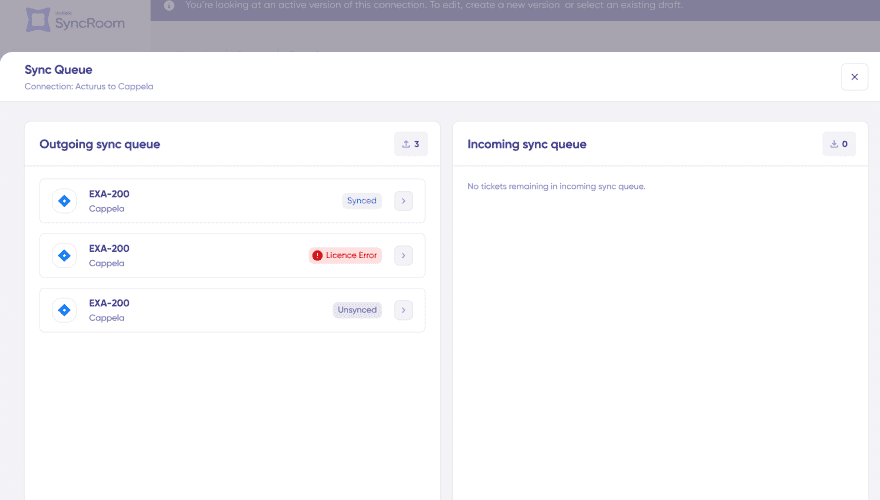
- Automatic retry with resume from point of failure
- Sync queue visibility with detailed status
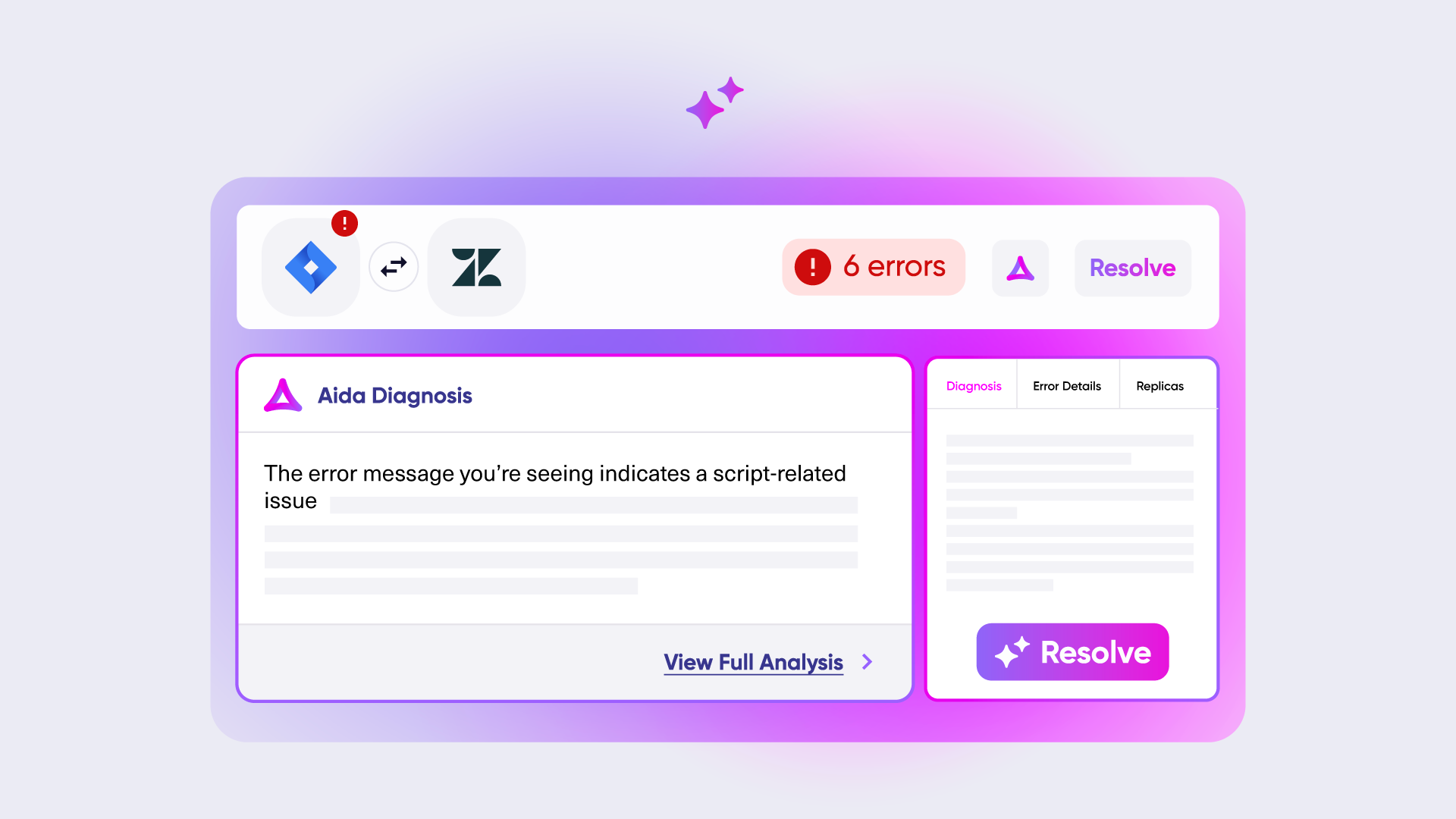
- Aida AI-powered error diagnosis: plain-language explanations with context-aware suggestions
ZigiOps: Server-Dependent Performance
ZigiOps also supports real-time synchronization using event-based triggers. Performance depends on the configuration of your deployment server, which can introduce variability in on-premises environments.
Operational Control: Who Controls What?
Exalate: Multi Admin Control
One web console, but each side controls its own sync rules independently. Ideal for multiple admin scenarios, MSPs, consulting firms or software vendors working with external clients.
ZigiOps: Single Admin Control
ZigiOps manages integrations centrally through its web console. The administrator has visibility into data flowing from all connected systems.
What ZigiOps doesn't offer: Script versioning, rollback, or a test environment before deploying to production. Cross-company scenarios where each side needs independent control are not the platform's design target
Security and Compliance
- ISO 27001 certified
- GDPR compliant
- Cloud Fortified by Atlassian
- Bug Bounty program participation
- Regular security assessments and penetration testing
- Encryption in transit (TLS 1.2+) and at rest (AES-256)
- Threat detection with SentinelOne monitoring
- Role-based access control
- Decoupled authentication: API keys, OAuth, and PAT support without exposing credentials
- Data residency options
- ISO 27001 and FIPS 140-2 certified
- 256-bit AES/CBC encryption, TLS 1.3/1.2, SFTP, and FTPS
- OAuth authentication with Java Keystore for certificate management
- Cloud version accessible only via HTTPS
- Processes data in transit; does not permanently store customer data
- AWS infrastructure
AI Capabilities
Exalate: Aida AI Assistant
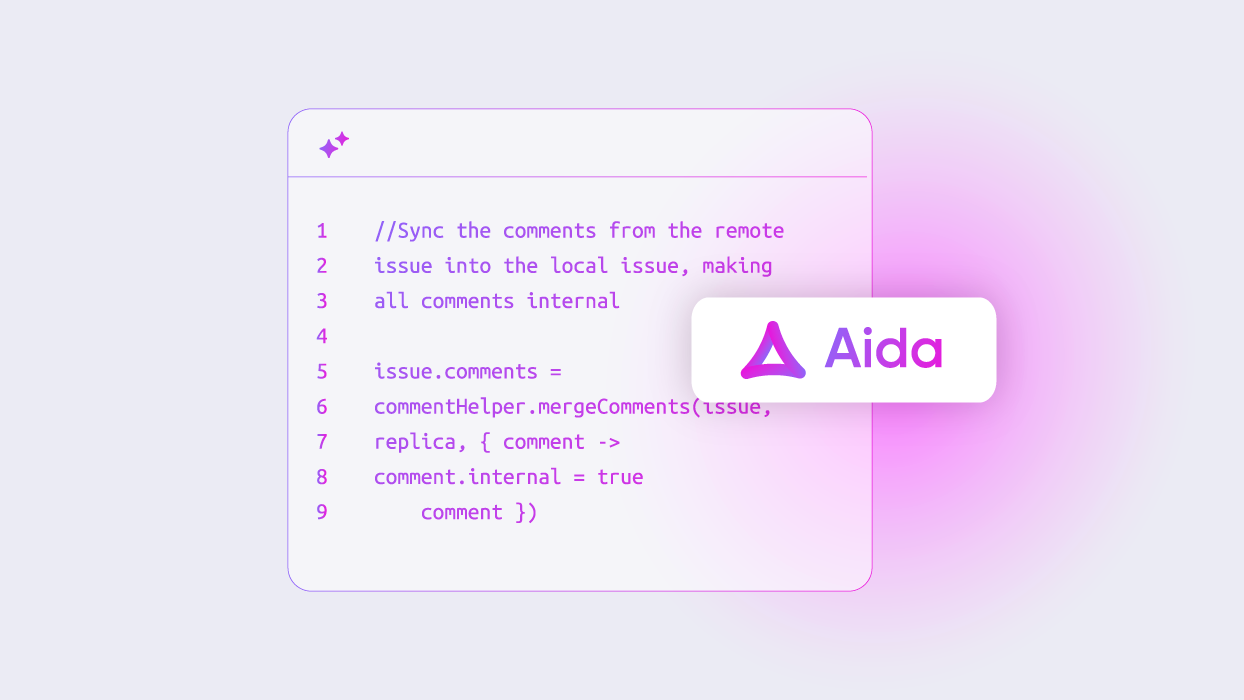
Aida helps you build sync scripts using prompts and troubleshoot issues by understanding your specific configuration context.
ZigiOps: AI Chatbot
AI-assisted troubleshooting and MCP server for agents.
- Ask questions about your integration errors, and it provides guidance
- The AI is focused on troubleshooting and guidance
Pricing: How Much Will It Cost?
Exalate: Outcome-Based Pricing
Pay based on active items currently in sync, per integration. It doesn’t matter how many times items update, how many users work with them, or how many back-and-forth syncs happen.
- Predictable costs: No surprise bills from usage spikes
- Fair scaling: Costs grow with actual integration complexity, not headcount
- Value-aligned: You pay for sync relationships that are active and contributing to your workflow
“We managed to reduce Service Desk costs by around 95% using Exalate.” — Piotr Radtke, Netguru
ZigiOps: System Pairs; Hidden Price
ZigiOps pricing is based on workflows. Leaves ambiguity in the definition of workflows.
The challenge with this pricing: It makes total cost of ownership harder to estimate, especially when evaluating integration tools against each other or budgeting for scale.
Common Objections Addressed
"No-code is simpler, why would I want scripting?"
ZigiOps’ no-code approach is faster for standard setups. But “simple” becomes a constraint when your workflow doesn’t match a template. Exalate’s Aida generates scripts for you; so you get unlimited customization without needing to write code from scratch.
"ZigiOps supports more platforms."
ZigiOps connects 30+ tools, with strong coverage for monitoring platforms like Dynatrace, Datadog, and Splunk. If observability tool integrations are your primary need, that breadth matters. Exalate focuses on deeper, more flexible integrations across 15+ ITSM and DevOps platforms; with more control over how data actually moves.
"We don't need cross-company sync."
"Exalate scripting sounds like a maintenance burden."
"Building our own integration is more cost-effective."
Rarely true: 3-6 month build time, 20-30% maintenance annually, hidden costs (API changes, security updates).
Frequently Asked Questions
"What is the main difference between Exalate and ZigiOps?"
ZigiOps uses pre-built no-code templates for quick deployment. Exalate uses a Groovy scripting engine for unlimited customization. ZigiOps works best when your use case fits its templates; Exalate handles complex, custom, and cross-company scenarios that template tools cannot support.
"Can I test my integration before going live?"
Yes. Exalate includes Test Run functionality that lets you simulate syncs without creating real entities in your destination system. Combined with script versioning and rollback, this significantly reduces deployment risk. ZigiOps does not offer equivalent testing capabilities.
"How does Exalate pricing compare for small and big teams?"
Exalate’s outcome-based pricing charges for active items in sync, not users. For small teams, this often means lower cost than per-user tools. The free 30-day trial includes all features so you can test your exact use case before committing.
"Which handles conditional logic better?"
ZigiOps templates cannot handle complex conditional field transformations outside their preset parameters. Exalate’s Groovy engine supports any conditional logic you need, and Aida can generate the script based on a plain-language description of your requirements.
"Which is better for integrations with external partners?"
Exalate. Its distributed sync model gives each organization independent control over their own sync rules. No shared admin access, no data exposure beyond what each side explicitly configures. ZigiOps manages integrations centrally, which limits its suitability for true cross-company scenarios.
"Does Exalate require installation on both systems?"
No. You register at exalate.app, connect your systems by entering and verifying each URL, name your connection, and start configuring sync rules — all from the unified console. No software installation needed.
Making Your Decision
With Exalate
Simple to complex workflows, deep customization, internal and cross-company integrations, regulated industries, granular control.
With ZigiOps
Simple workflows, standard templates, internal integrations, no-code setup.
This comparison is based on publicly available information as of April 2026. Read the full comparison article here. Verify current details with each platform.
See Exalate in Action
Let us show you how Exalate can fit your unique business needs.
trusted by clients worldwide