
Exalate vs Workato
Which Integration Platform Is Right for Your Team?
We compare bidirectional sync, customization depth, pricing, and setup complexity, and more.
Quick Comparison Table
| Feature | Exalate | Workato |
|---|---|---|
| Primary Purpose | Intra and cross-company sync between ITSM and DevOps tools, with independent control per side | Enterprise-wide workflow automation across every department |
| Architecture | Independent control. Each side owns its own rules with no shared config Built for this | Central hub. All logic defined and managed from one place |
| Pricing Model | Per integration. Predictable costs that scale with actual usage Predictable | Task-based. Every action counts. Loops billed twice, retries count Unpredictable |
| Entry Price | From $85 / month | $30,000 to $400,000+ / year. No public pricing Demo required |
| Cross-Company Sync | Core feature. Each party controls its own data independently Purpose-built | Central model exposes config to both sides. Not designed for cross-org governance Not built for this |
| AI Capabilities | Aida AI for Groovy script generation, field mapping, and in-context error diagnosis | Enterprise MCP, Agent Studio, department AI Genies, AIRO diagnostics |
| Scripting and Logic | Groovy scripting. Full conditional logic with no limits, assisted by Aida | Ruby required for advanced use. Undermines the low-code promise at scale |
| Free Trial | 30-day free trial. No credit card required Self-serve | Demo only. No self-serve trial available Sales-gated |
| Test Before Deploy | Test Run simulates syncs without touching live data Risk-free | No equivalent self-serve sandbox Go live blind |
| Connector Count | Jira, JSM, ServiceNow, Azure DevOps, Zendesk, GitHub, Salesforce, and more | 1,400 to 2,000+ apps across all enterprise categories |
| Deployment Limits | No job timeout issues. Queue handles large volumes without degradation | 90-minute job timeout. Queue cap at 10,000 items Known limitation |
| Security Certifications | ISO 27001:2022, GDPR compliant, single-tenant deployment | SOC 1/2/3, ISO 27001, ISO 27701, ISO 42001, HIPAA, PCI-DSS L1, NIST 800-171A |
| Support | Dedicated support and solution engineers | Live chat and solution architects. Post-sales support criticized in user reviews |
| Best For | Teams needing bidirectional ITSM or DevOps sync with independent control per side, cross-company collaboration, or predictable integration costs that don't scale with headcount | Enterprises automating workflows across every department simultaneously, especially where agentic AI orchestration and the widest possible connector library are core requirements |
The Core Difference: Customization

Exalate: Script-First with AI Assistance
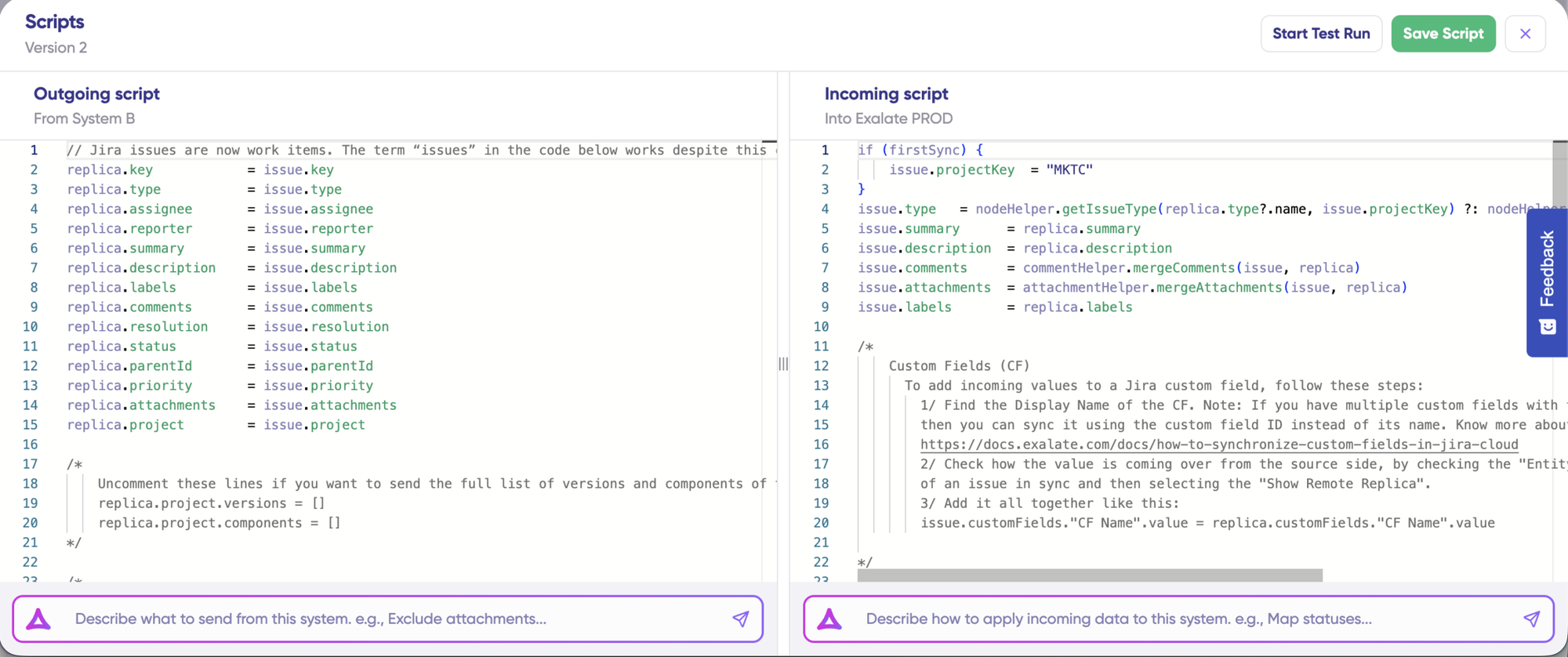
Exalate gives you unlimited customization through Groovy scripting. If you can write it in Groovy, Exalate can sync it.
- Conditional logic ("sync this field only if status = 'In Review'")
- Different transformation rules for each direction
- Advanced field mappings (title -> description + remote item link)
- Custom data transformations with business logic.
- Advanced conditional mapping and validation rules.
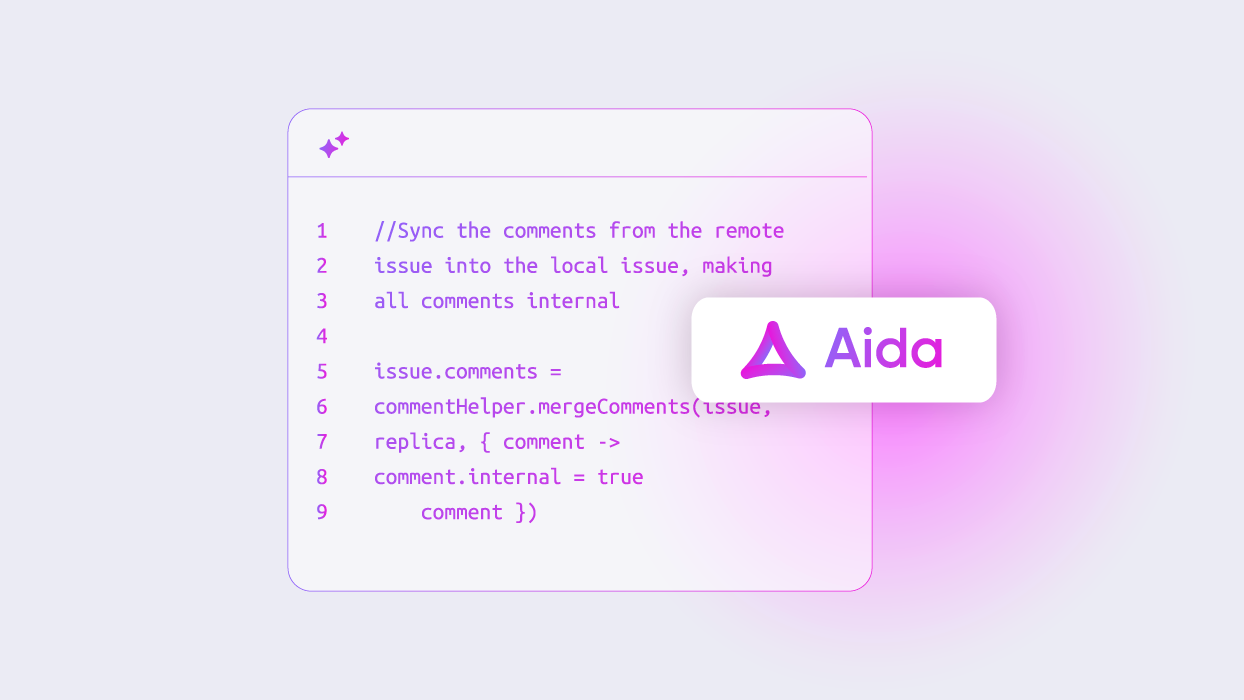
- Aida AI generates scripts from plain-language descriptions
- No ServiceNow developer required for most configurations

Workato
Workato builds integrations through a visual Recipe builder with a low-code, trigger-and-action model.
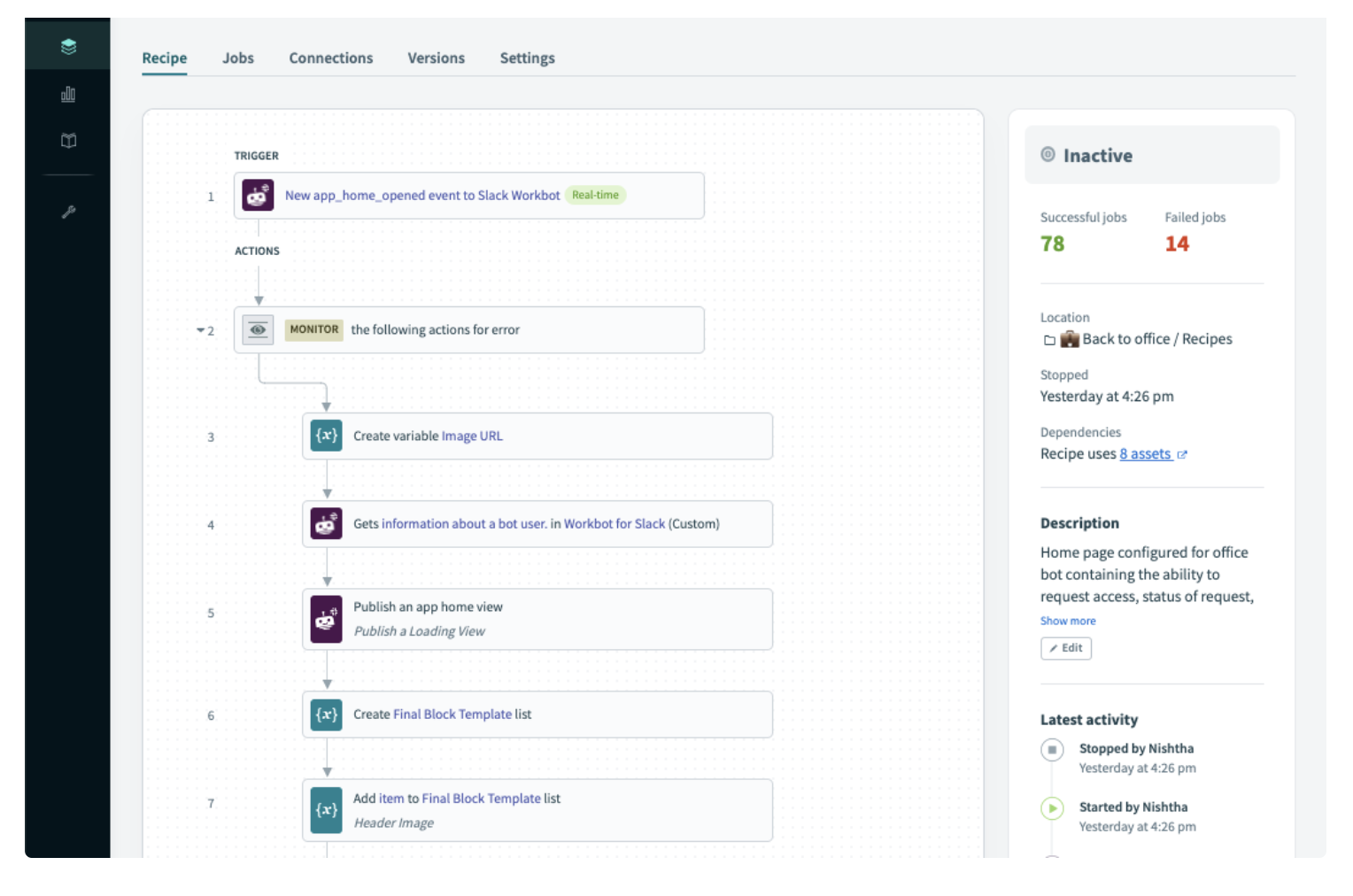
- Supports conditional logic, loops, and data transformation within recipe steps
- Large library of pre-built recipe templates for common workflows
- Powerful for broad automation across departments: HR onboarding, finance approvals, IT provisioning
Important limitation: Workato's recipe builder becomes difficult to manage at 100+ steps, as it is linear with no visual branching. Advanced customization beyond standard transformation types requires Ruby scripting.
What You Can Actually Sync
Exalate: Specialist Depth for ITSM and DevOps Sync
Exalate is built specifically for the integrations that matter most to service delivery and engineering teams: bidirectional, field-level sync between the tools those teams actually use.
- Native connectors for Jira, Jira Service Management, ServiceNow, Azure DevOps, Zendesk, Salesforce, GitHub, Freshservice, and more
- Any data reachable via REST APIs, including third-party plugin data, with custom logic and filtering
- Each side controls its own outbound and inbound mapping independently, with no shared admin access
- New connectors available upon request for tools outside the standard library
“The fact that Exalate is a very extensible and flexible product is quite an impressive feature for us. We can even build our own integration on top of it” — Alexander Sinno, NVISO
Workato: Broad Enterprise Automation
Workato’s connector library is one of the largest in the iPaaS market, built for organizations that need to orchestrate data and workflows across their entire technology stack.
- 1,400 to 2,000+ connectors covering SaaS apps, ERP systems, CRMs, HR platforms, ITSM (ServiceNow), databases, data warehouses, and LLMs
- Supports HTTP, CSV, JSON, XML, YAML, and on-premise connectivity
- Native agentic AI layer (Enterprise MCP) exposes enterprise data and workflows to AI agents
- Process Intelligence and Real-Time Signals for live triggers and stateful context
The trade-off: Workato's breadth is its strength for enterprise-wide automation. For teams whose integration scope is specifically Jira, ServiceNow, or cross-company ITSM workflows, the platform introduces significant overhead, cost, and architectural constraints.
Real-Time Sync and Performance
Exalate: Real-Time Sync and Robust Monitoring
Exalate’s sync is in real-time for every plan, and handles failures automatically.
- Real-time sync in all pricing plans
- Queue-based architecture handles large data volumes without degradation
- Automatic retry with resume from point of failure
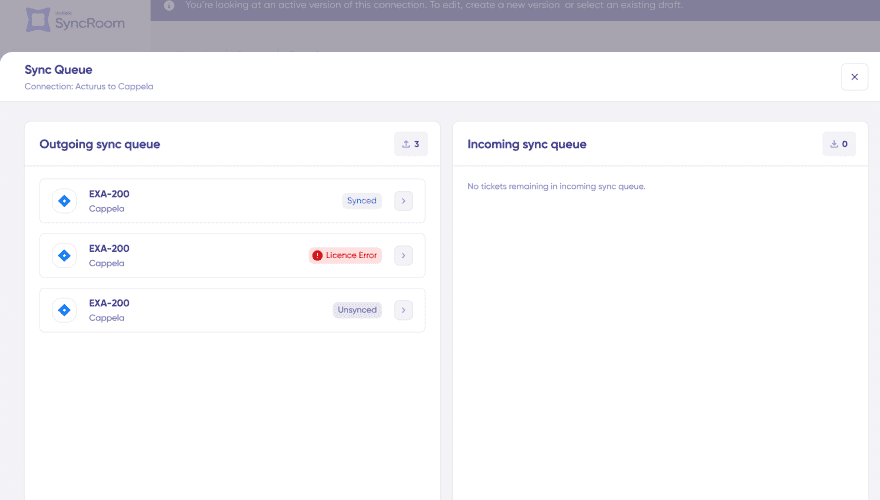
- Sync queue visibility with detailed status
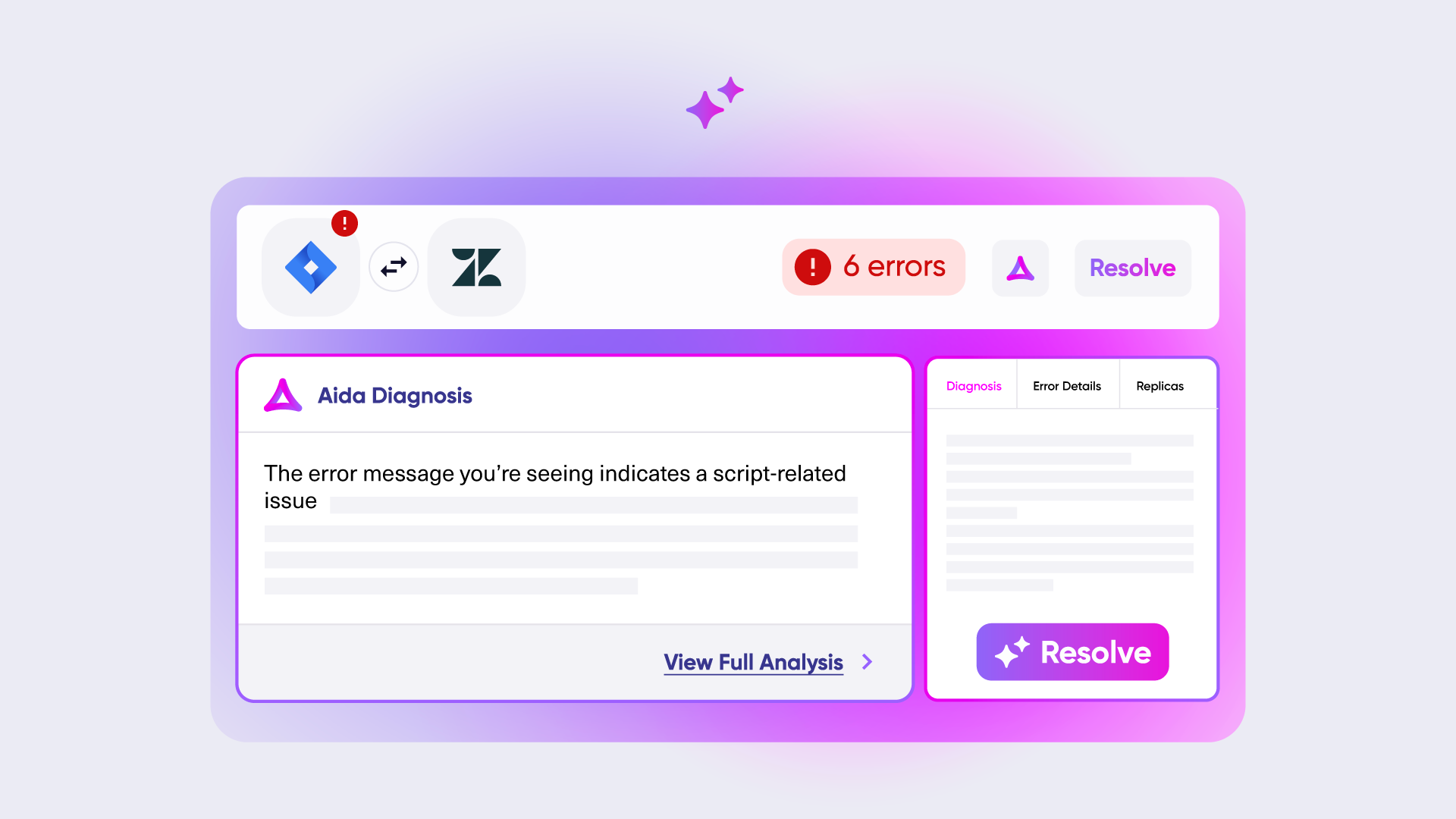
- Aida AI-powered error diagnosis: plain-language explanations with context-aware suggestions
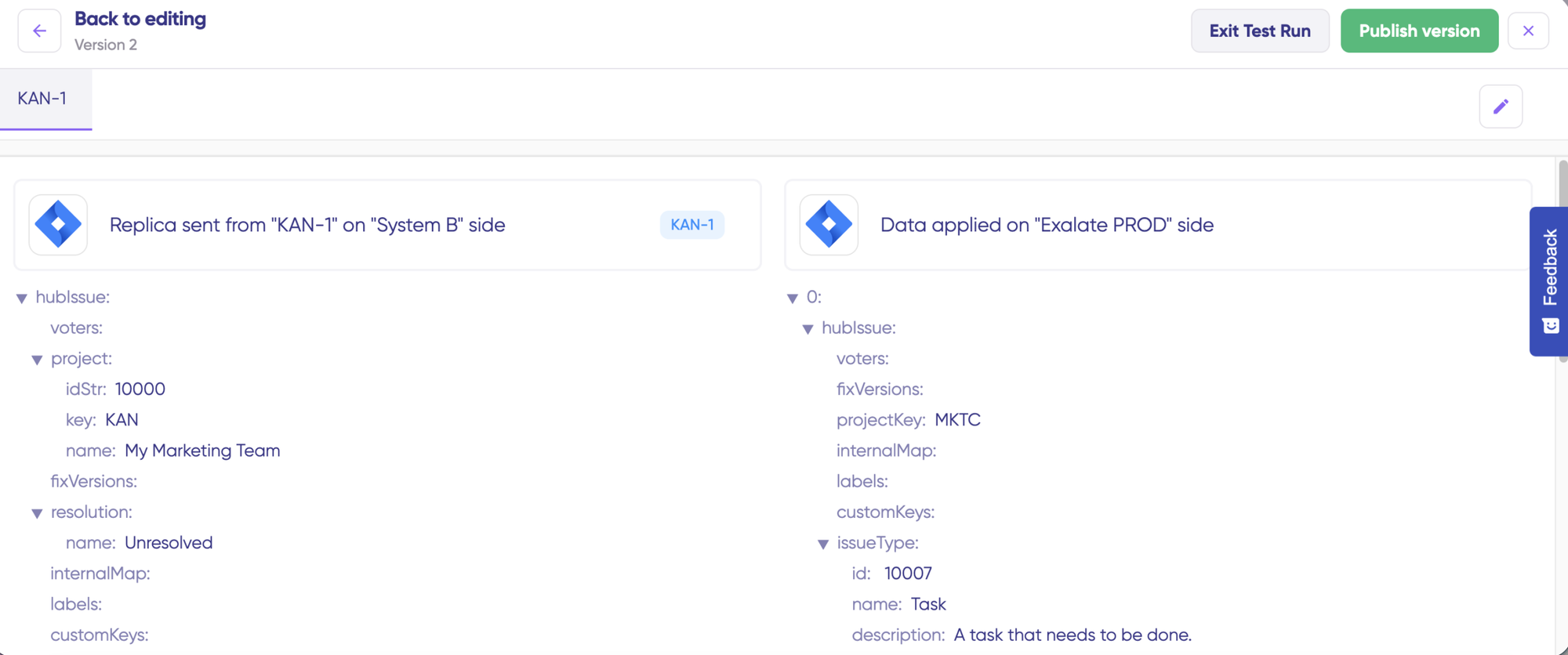
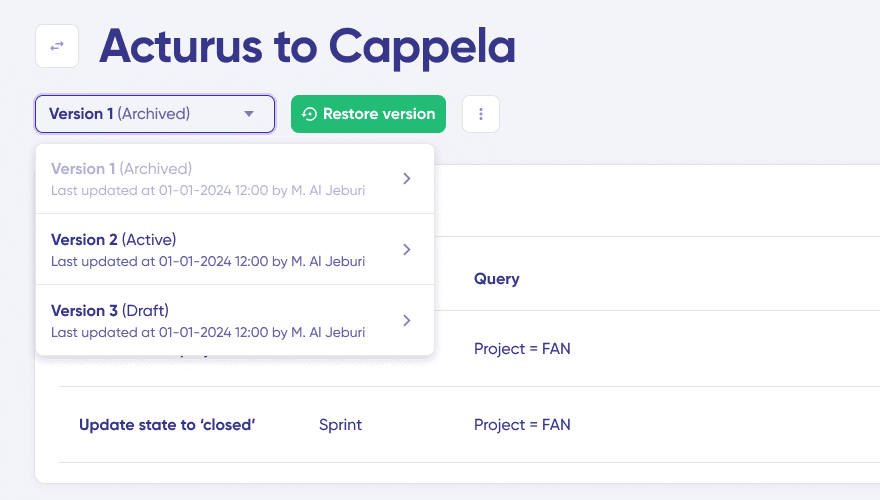
- Script versioning lets you trace which change caused an issue and roll back instantly
Workato: Powerful Orchestration With Known Scale Limits
Workato’s infrastructure is for broad automation workloads, with specific limits that matter for high-volume sync scenarios.
- Real-time event-based triggers across connected systems
- Handles large multi-step workflows across departments reliably
- 90-minute job timeout: long-running processes fail without architectural workarounds
- Queue cap of 10,000 items: larger queues are purged
- Error retries, loop iterations, and dev-environment runs all consume task quota
Operational Control: Who Controls What?
Exalate: Multi Admin Control
One web console, but each side controls its own sync rules independently. Ideal for multiple admin scenarios, MSPs, consulting firms or software vendors working with external clients.
Workato: Centralized Recipe Ownership
Workato’s architecture places all integration logic in a single Recipe owned by one team or one organization.
- Whoever owns the Recipe controls the entire integration, including both trigger and action logic
- Effective for intra-company automation where one team manages the full workflow
- Not for cross-company scenarios where both parties need independent governance: the Recipe model requires a single controlling party
- Skills Builder allows other teams to create governed enterprise skills. This is an AI agent feature, not a sync governance model
Security and Compliance
- ISO 27001 certified
- GDPR compliant
- Cloud Fortified by Atlassian
- Bug Bounty program participation
- Regular security assessments and penetration testing
- Encryption in transit (TLS 1.2+) and at rest (AES-256)
- Threat detection with SentinelOne monitoring
- Role-based access control
- Decoupled authentication: API keys, OAuth, and PAT support without exposing credentials
- Data residency options
- SOC 1 Type II, SOC 2 Type II, SOC 3
- ISO 27001 and ISO 27701 (Privacy Information Management)
- ISO 42001 (AI Management System)
- PCI-DSS v4.0.1 Level 1 (highest PCI tier)
- HIPAA with Business Associate Agreements available
- NIST 800-171A r2 for federal contractor
- Encryption in transit (TLS 1.2+) and at rest (AES-256)
- Virtual Private Workato: dedicated AWS VPC for full data isolation
AI Capabilities
Exalate: Aida AI Assistant
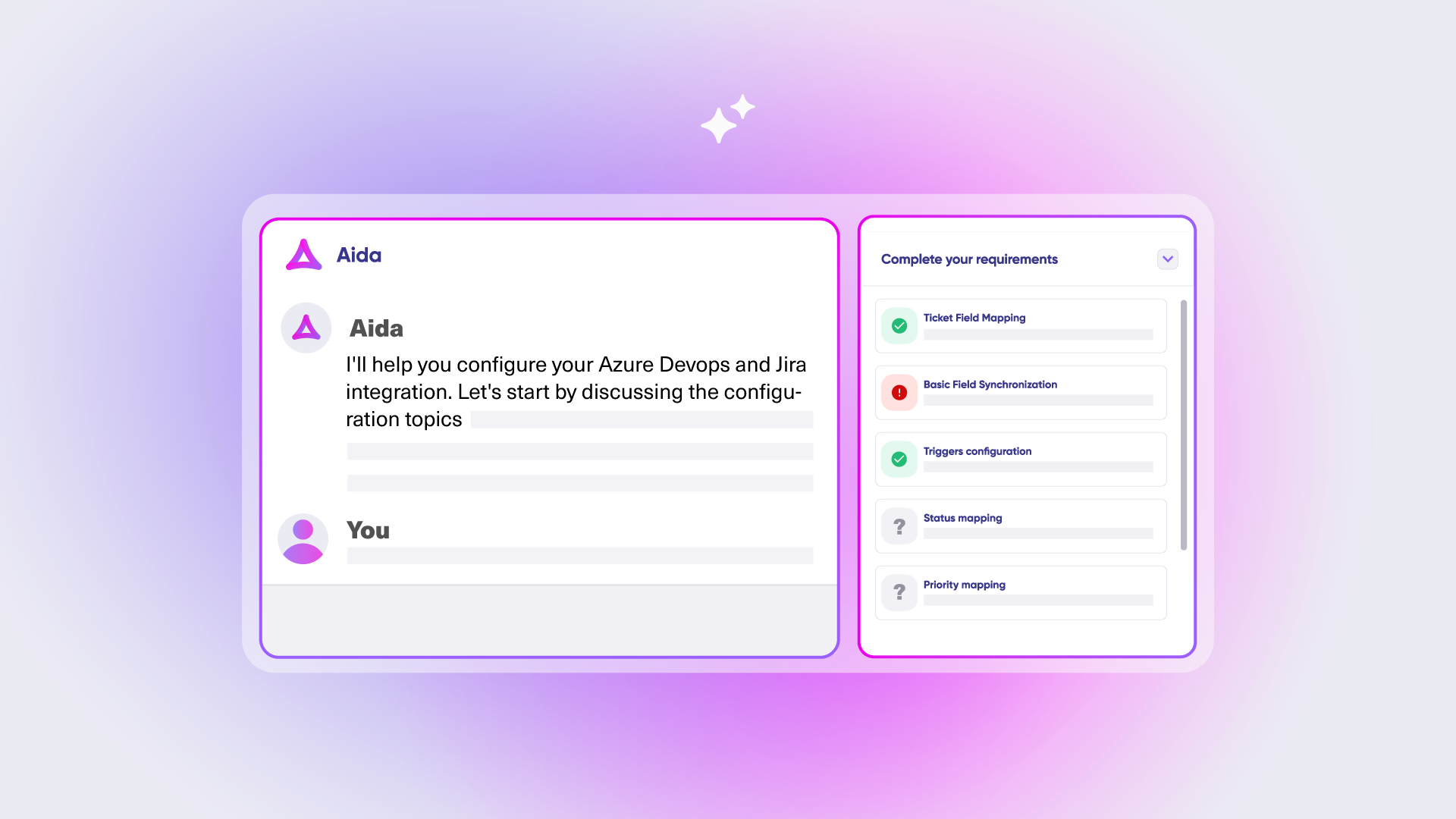
Aida helps you build sync scripts using prompts and troubleshoot issues by understanding your specific configuration context.
Workato: Enterprise MCP and Agentic AI
Workato’s AI capabilities go beyond integration assistance into full agentic orchestration across enterprise systems.
- Enterprise MCP: connects AI agents (Claude, OpenAI, Microsoft Copilot) to 1,400+ business apps with permission-aware context
- Agent Studio: low-code studio to design, test, and deploy enterprise-grade AI agents
- AIRO: AI solution architect agent for recipe diagnostics and optimization
- Acumen: AI data scientist agent for operational insights and automation ROI analysis
- MCP Registry and MCP Gateway for reusable, governed enterprise skill assets
The trade-off: Aida is an integration-scoped AI assistant built to accelerate and simplify sync configuration. Workato's AI layer is a full agentic platform designed to orchestrate work across systems. They serve different purposes, and the right one depends on whether you need a smarter integration tooling or enterprise-wide AI automation.
Pricing: How Much Will It Cost?
Exalate: Outcome-Based Pricing
Pay based on active items currently in sync, per integration. It doesn’t matter how many times items update, how many users work with them, or how many back-and-forth syncs happen.
- Predictable costs: No surprise bills from usage spikes
- Fair scaling: Costs grow with actual integration complexity, not headcount
- Value-aligned: You pay for sync relationships that are active and contributing to your workflow
“We managed to reduce Service Desk costs by around 95% using Exalate.” — Piotr Radtke, Netguru
Workato: Task-Based Pricing
Workato charges based on tasks, where every recipe action counts against your quota. Pricing is not publicly listed.
- Every trigger, action, loop iteration, and error retry consumes task quota
- Reported pricing based on third-party market data: mid-market $30,000 to $80,000/year, enterprise $150,000 to $400,000+/year
- Surprise renewal costs are a documented complaint across G2, PeerSpot, and community forums
- Pricing must be requested via a demo call: no self-serve visibility
Task-based pricing is difficult to forecast at scale. Any change in workflow logic, an increase in data volume, and a new loop or retry path can materially change your bill.
Common Objections Addressed
"Workato has 1,400+ connectors. Exalate only covers a handful of tools."
Workato’s connector breadth is valuable for organizations automating across many systems simultaneously. But connector count is not the right metric for ITSM and DevOps sync. Exalate’s connectors for Jira, ServiceNow, Salesforce, etc. go deeper than Workato’s recipe-based equivalents: field-level mapping, conditional logic per side, and autonomous control per organization. For the use case these tools are being evaluated for, depth beats breadth.
"Workato is low-code. Exalate requires scripting."
Workato’s low-code positioning applies to standard recipe templates. Advanced customization requires Ruby scripting. Exalate’s Groovy scripting (Aida-assisted) generates scripts from plain-language descriptions for unlimited customization without writing code from scratch. And if your team doesn’t want to generate and manage scripts at all, Exalate’s Integration as a Service removes that responsibility entirely.
"Workato has a Gartner Magic Quadrant presence. Exalate doesn't."
"We already use Workato for other automation. Why add another tool?"
"Building our own integration is more cost-effective."
Rarely true: 3-6 month build time, 20-30% maintenance annually, hidden costs (API changes, security updates).
Frequently Asked Questions
"What is the main difference between Exalate and Workato?"
Workato is an enterprise automation platform built to orchestrate workflows across every department, from HR and Finance to IT and Sales, with 1,400+ connectors and a growing agentic AI layer. Exalate is built specifically for bidirectional, intra and cross-company sync between ITSM and DevOps tools, where each side retains independent control over its own sync rules and data. The choice is between a broad automation platform versus a specialist tool built to do exactly that, at a fraction of the cost and with architectural advantages no iPaaS can replicate.
"Which handles conditional logic better?"
Exalate’s Groovy scripting engine supports any conditional logic you need, and Aida generates the script from a plain-language description. Workato’s recipe builder handles standard transformation types well across a broad range of apps, but complex conditional logic requires Ruby scripting, and the recipe builder becomes difficult to manage at scale.
"Which is better for integrations with external partners?"
Exalate, both the platform and the Integration as a Service offering, is built for cross-company integration where each party keeps autonomous control. Workato’s central Recipe model requires one party to own and manage the entire connection. For B2B, MSP, or vendor-facing integrations where both organizations need to define their own rules independently, Exalate’s distributed architecture is the right fit.
"Why is Workato so expensive?"
Workato’s pricing reflects its scope as a full enterprise automation platform covering AI agents, 1,400+ connectors, enterprise-grade security certifications, etc. The task-based model adds to unpredictability: loops, retries, and dev runs all count against quota. For organizations using Workato across HR, Finance, IT, and Sales, the platform’s breadth may justify the cost. For teams evaluating Workato specifically for Jira or ServiceNow sync, the cost-to-value ratio is hard to defend.
"Does Exalate require installation on both sides?"
No. You register at exalate.app, connect your systems by entering and verifying each URL, name your connection, and start configuring sync rules, all from within a single console. No software installation needed on either side.
Making Your Decision
With Exalate
Simple to complex workflows, deep customization, intra and cross-company integrations, regulated industries, service providers scaling a client integration portfolio, self-managed or Exalate's Integration as a Service.
With Workato
Enterprises automating workflows across every department, organizations already invested in the Workato platform for automation, teams that need the widest possible connector library.
This comparison is based on publicly available information as of May 2026. Verify current details with each platform.
See Exalate in Action
Let us show you how Exalate can fit your unique business needs.
trusted by clients worldwide